
Gioacchino Rossini
Il barbiere di Siviglia
A Comic Opera in Two Acts
The opera The Barber of Seville (1816) by composer Gioachino Rossini represents both the culmination and the conclusion of the development of opera buffa. The work is based on the comedy by Pierre-Augustin Caron de Beaumarchais and is distinguished by its clearly structured musical and dramaturgical design, strong connection between the music and the stage action, and characteristic ensembles and finales that drive the plot forward.
The Barber of Seville is one of the most popular and frequently performed operas of all time, remaining a staple of the operatic repertoire thanks to its melodic inventiveness, rhythmic vitality, and demanding vocal parts, particularly for coloratura mezzo-soprano, baritone, and bass.
The work is characterized by exceptionally dynamic dramaturgy, in which the action unfolds through a series of rapid, often contrasting situations, with constant interaction between solo and ensemble numbers. Its musical language is marked by clearly defined characters, economical use of recitative, and the gradual intensification of tension through the so-called Rossini crescendo. Ensembles, particularly the finales of the acts, play a key role in shaping the musical flow and providing dramaturgical closure to the scenes. The work also demonstrates a high degree of synchronization between stage movement and musical structure, creating a strong connection between the narrative and musical layers. It is precisely these characteristics that have established The Barber of Seville as one of the fundamental works of operatic literature and a lasting form of operatic comedy.
The story follows Count Almaviva, who arrives in Seville and attempts to win Rosina's affection with a serenade, but without success. He meets Figaro, an ingenious barber who knows all the city's secrets, and confides in him his love for Rosina. Figaro proposes a plan involving disguises, allowing the Count to approach the young woman, who lives under the strict supervision of Doctor Bartolo. Meanwhile, Rosina manages to send a letter to “Lindoro” (Almaviva in disguise), expressing her desire to escape. Bartolo and Don Basilio attempt to stop the Count through slander and by hastening the wedding. Almaviva disguises himself as a drunken soldier and enters the house, establishing contact with Rosina; in the second act, he appears again, this time disguised as a music teacher. Figaro helps organize the escape, while Basilio is bribed to leave. Bartolo tries to convince Rosina that Lindoro is deceiving her, but Almaviva reveals his true identity. In the end, with the help of Figaro and a notary, Almaviva and Rosina are married before Bartolo can prevent the wedding.
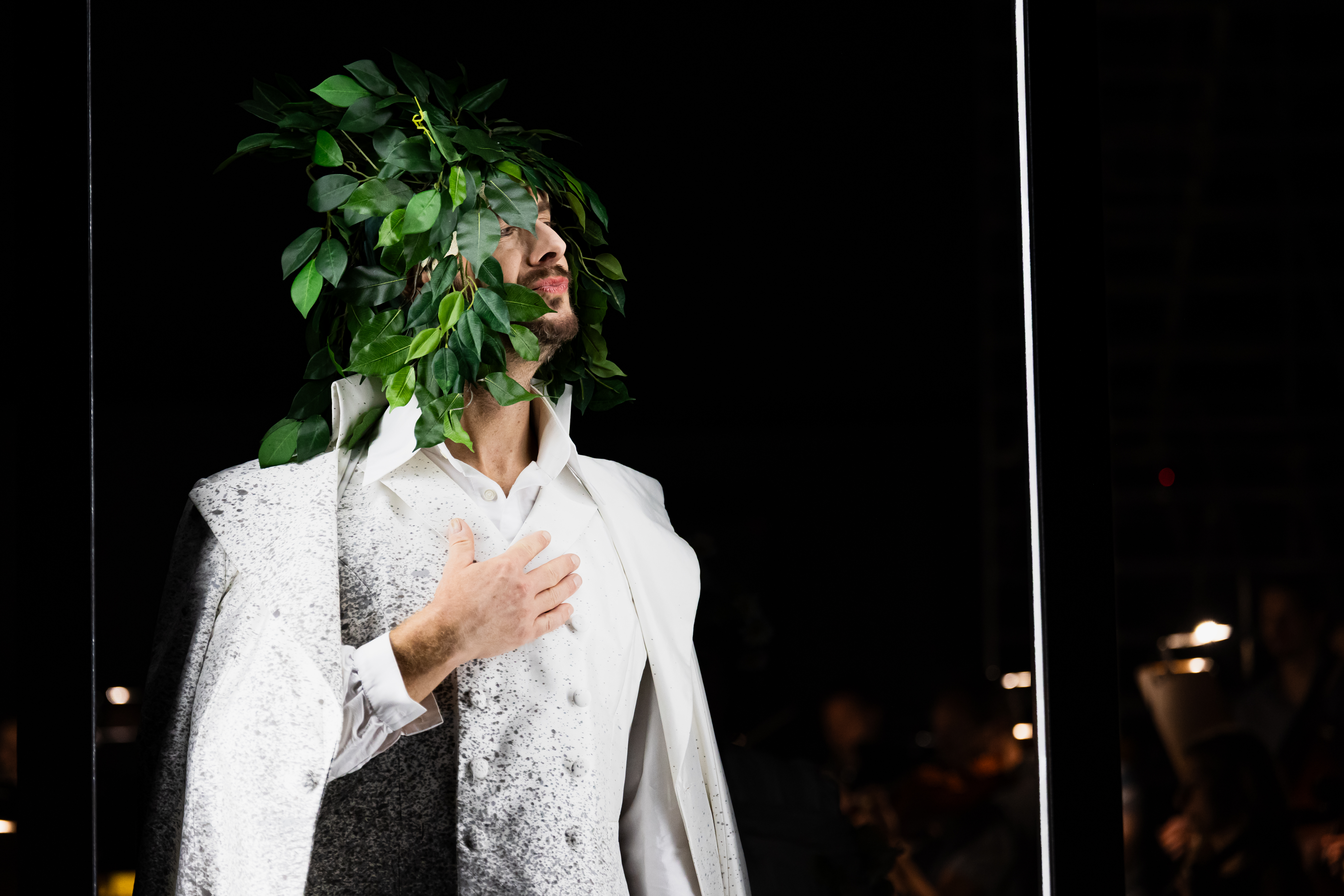
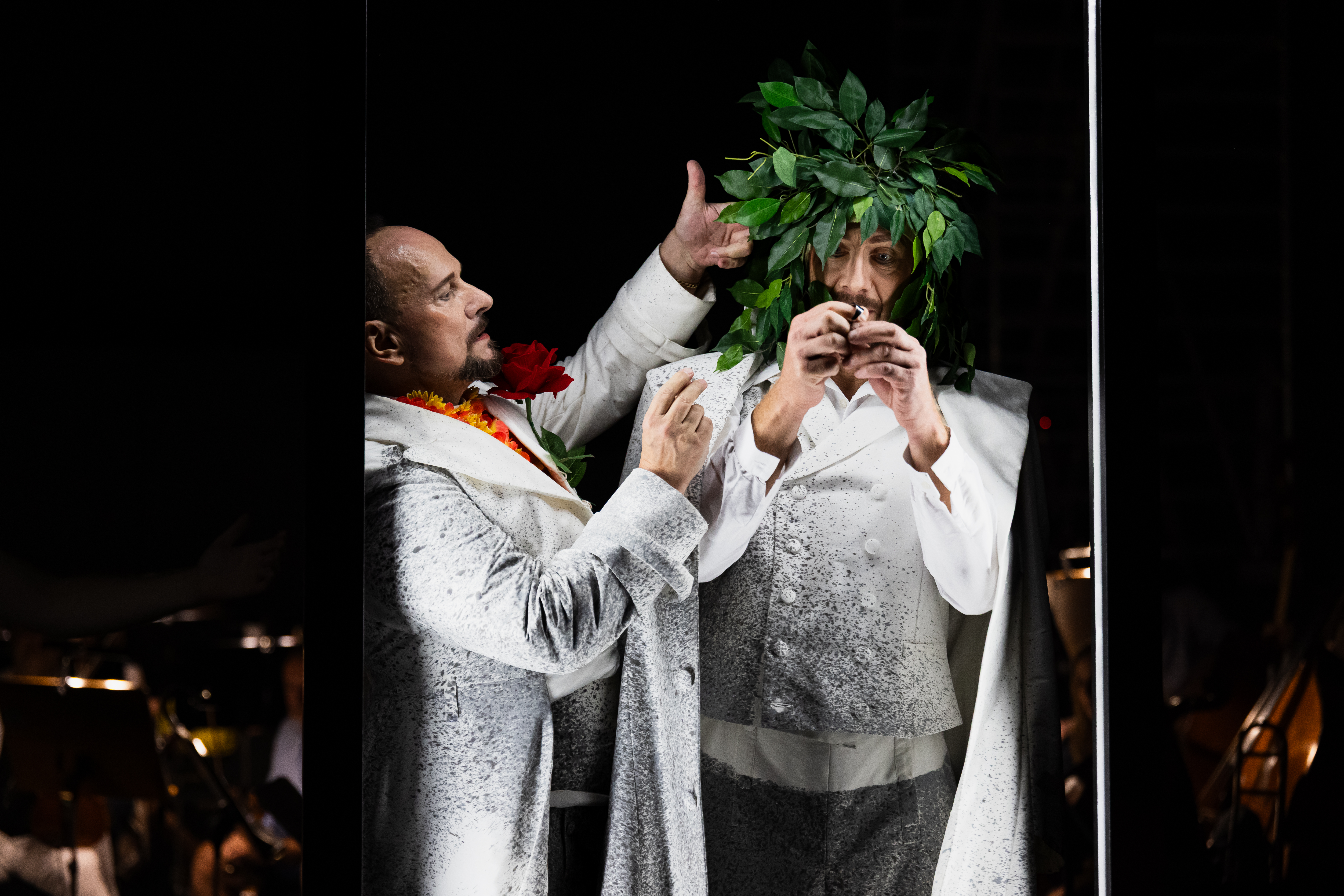
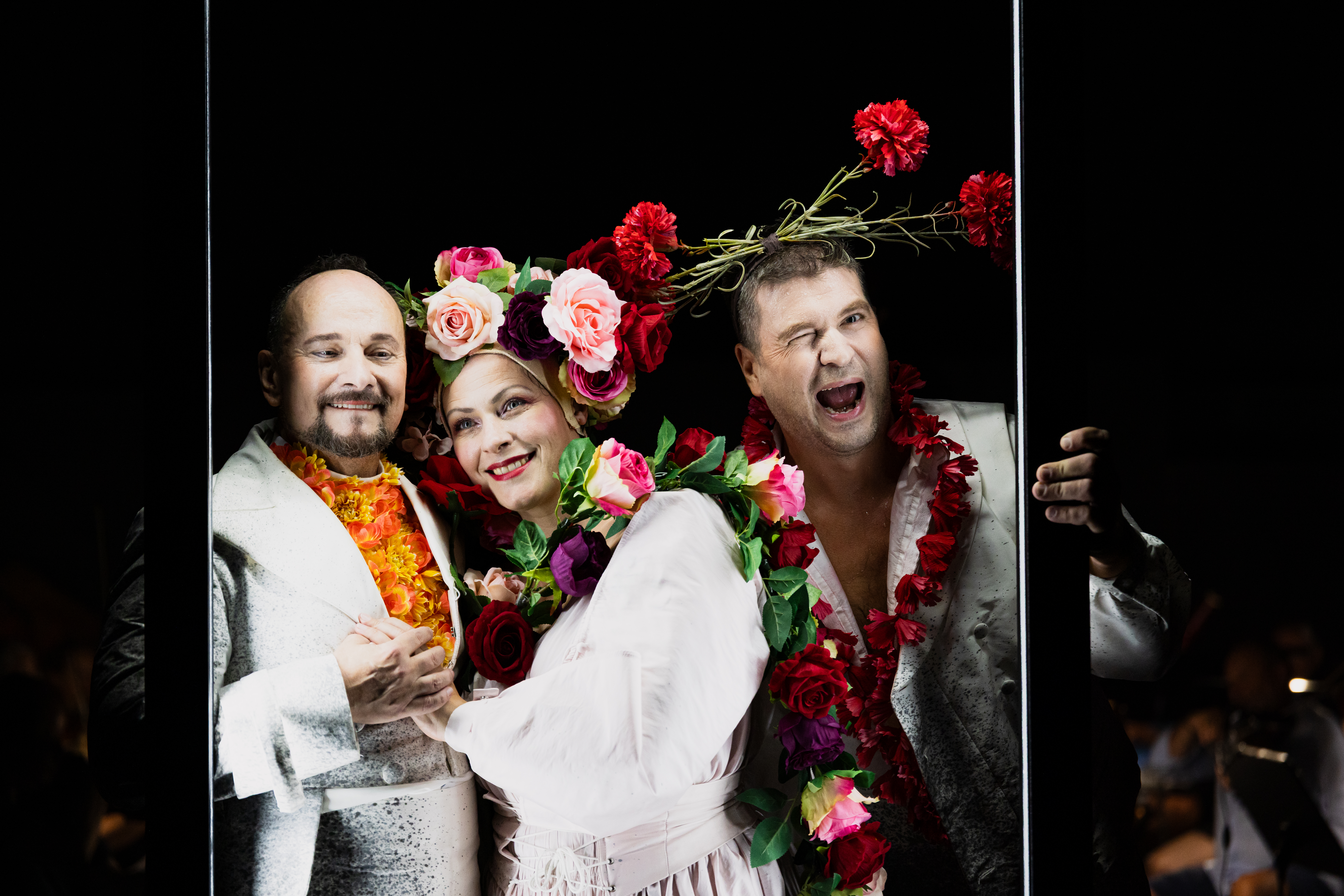
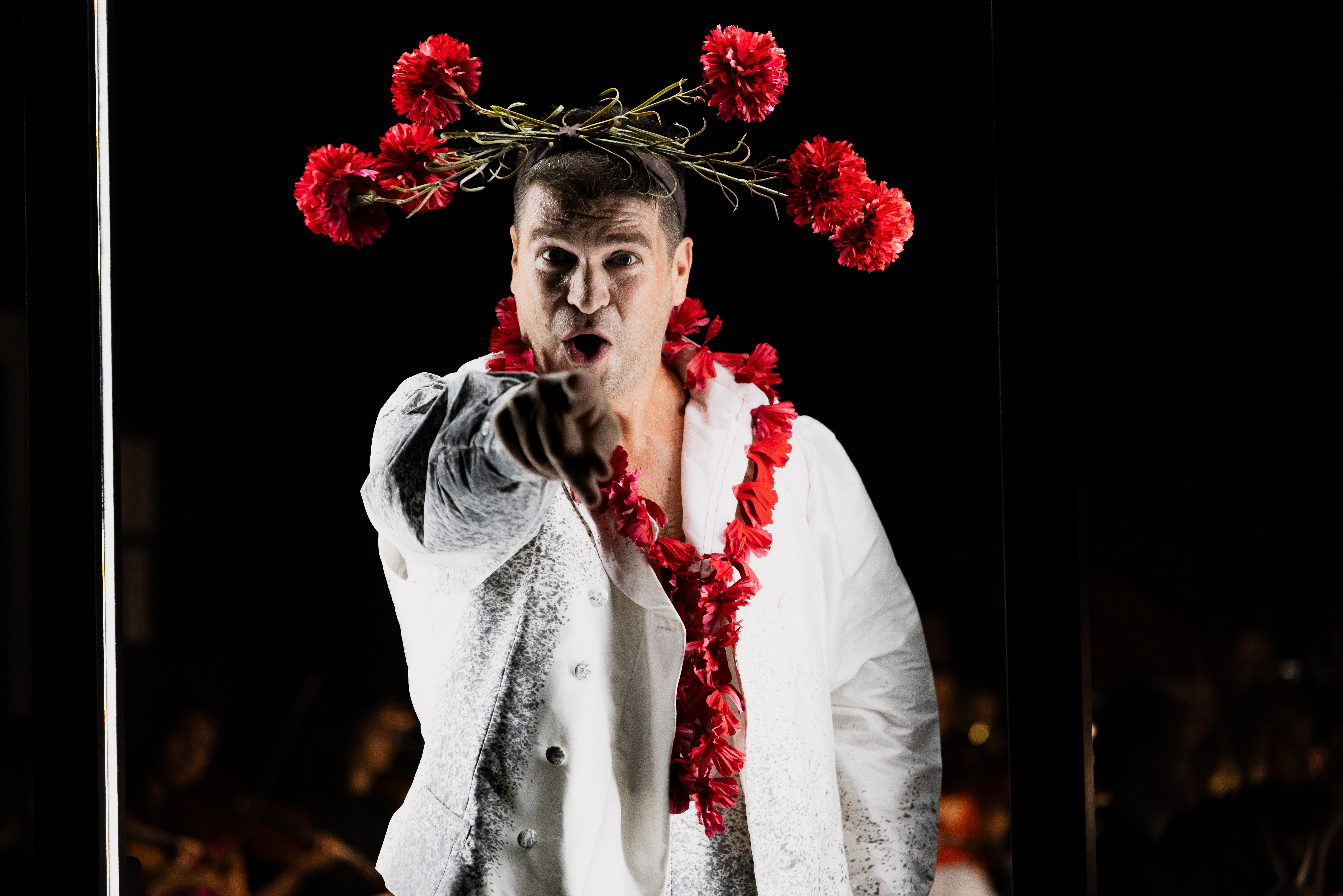
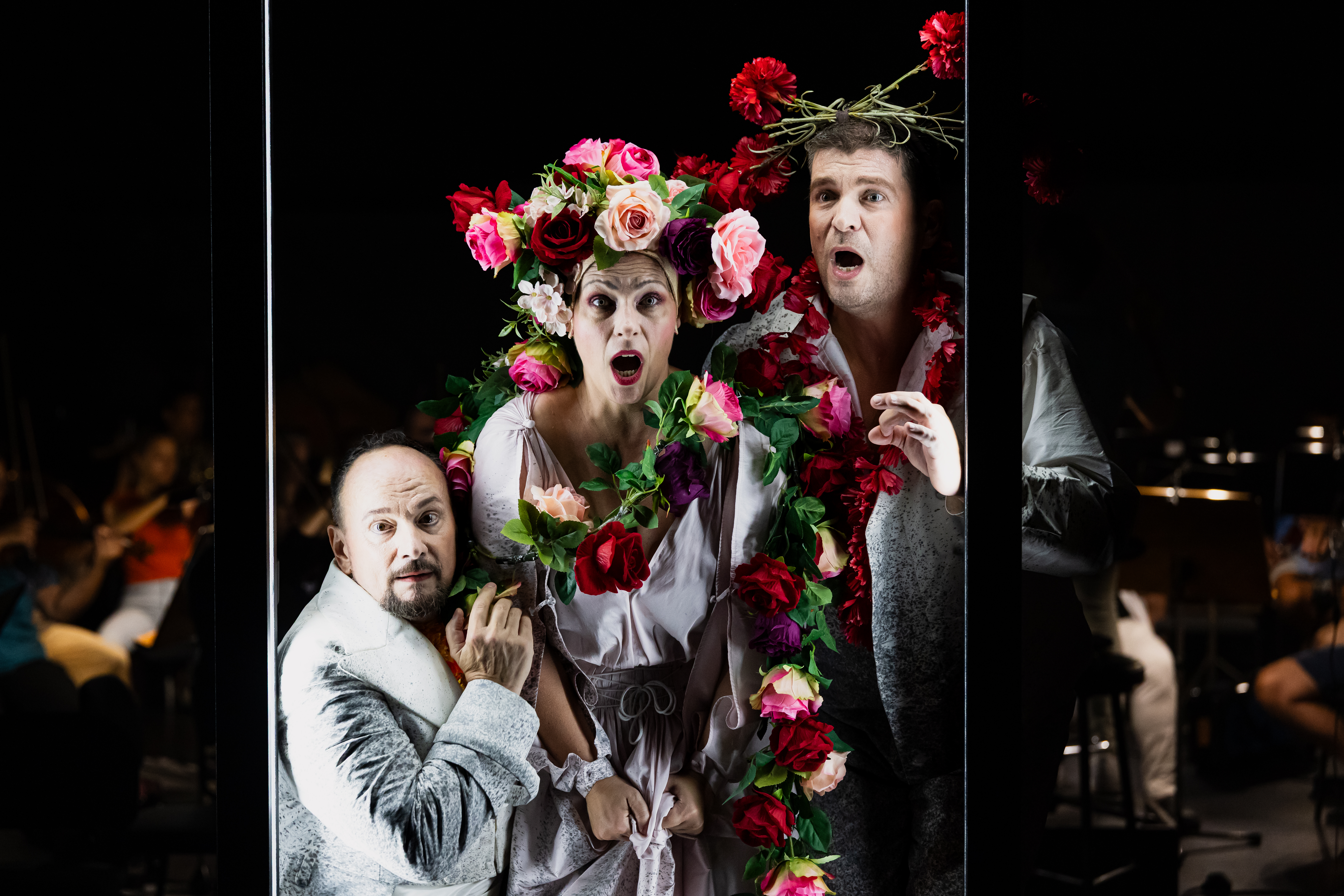
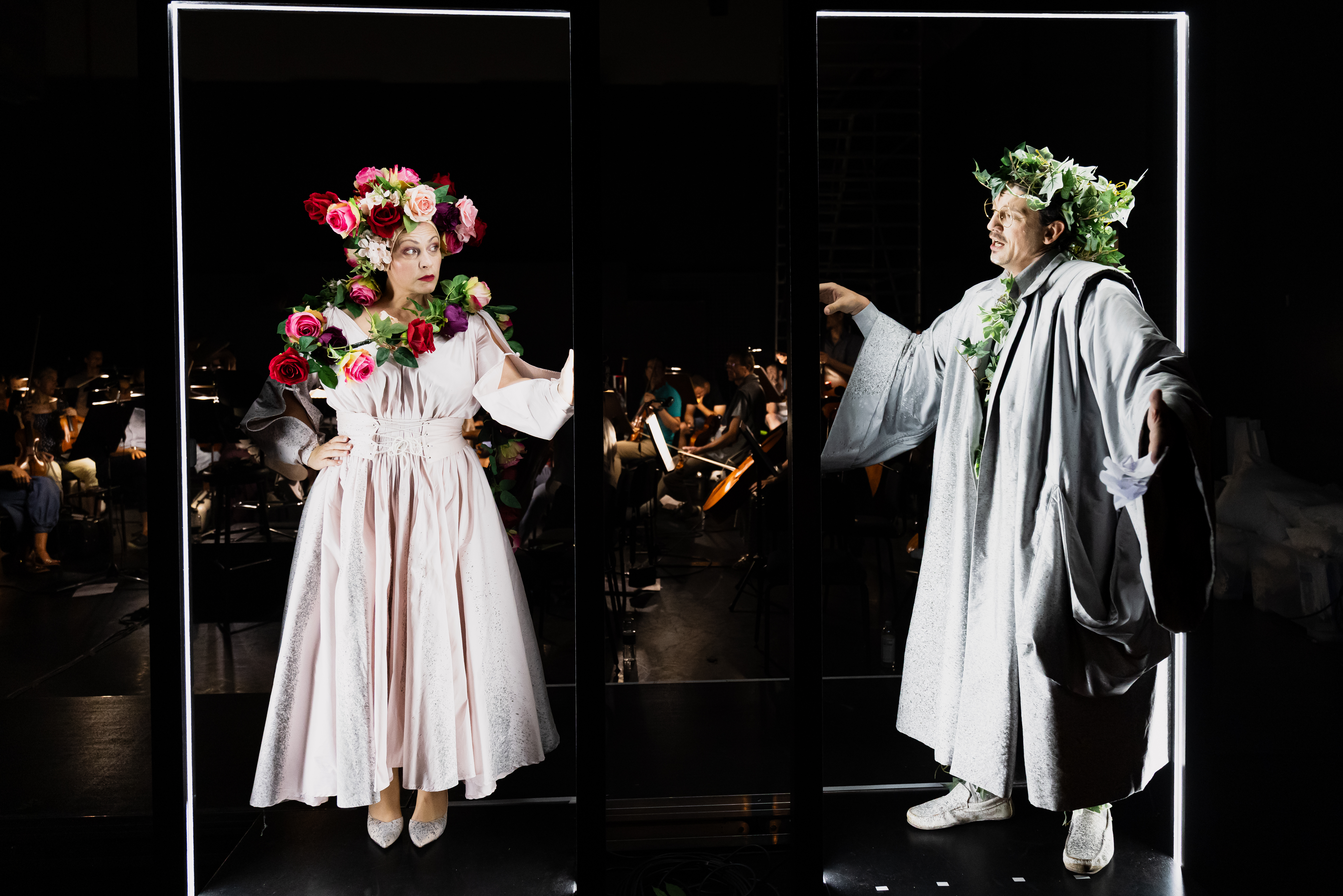
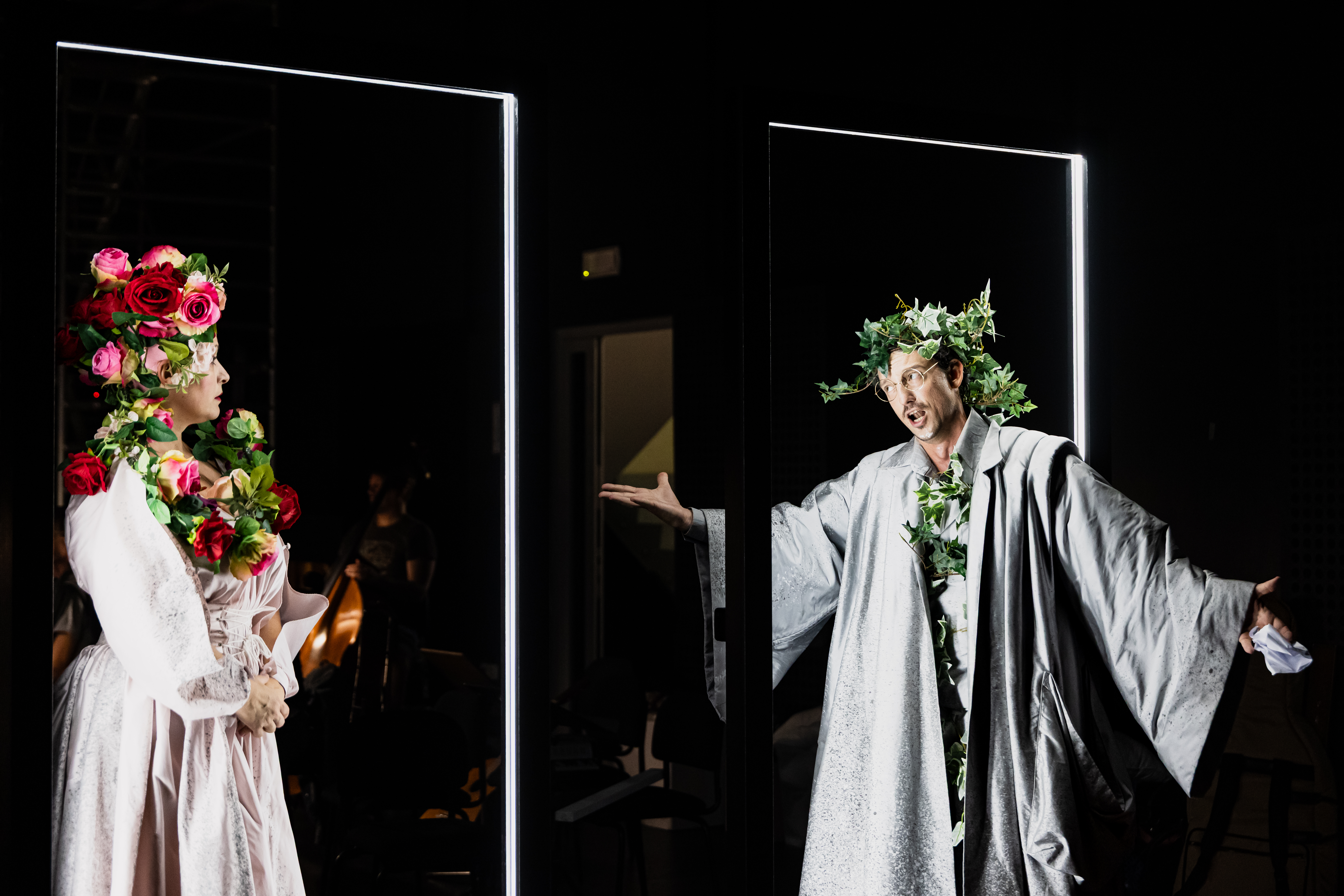
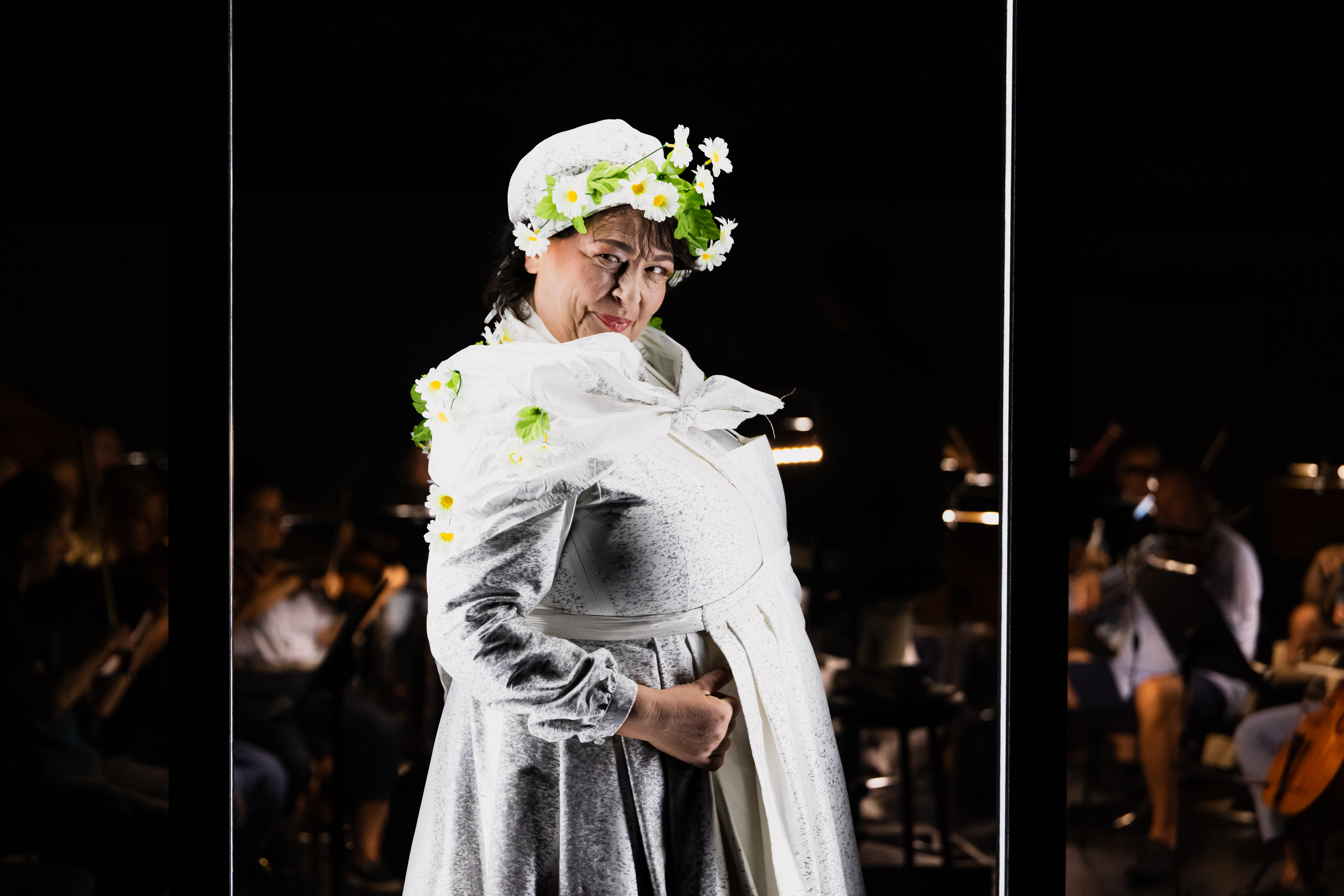
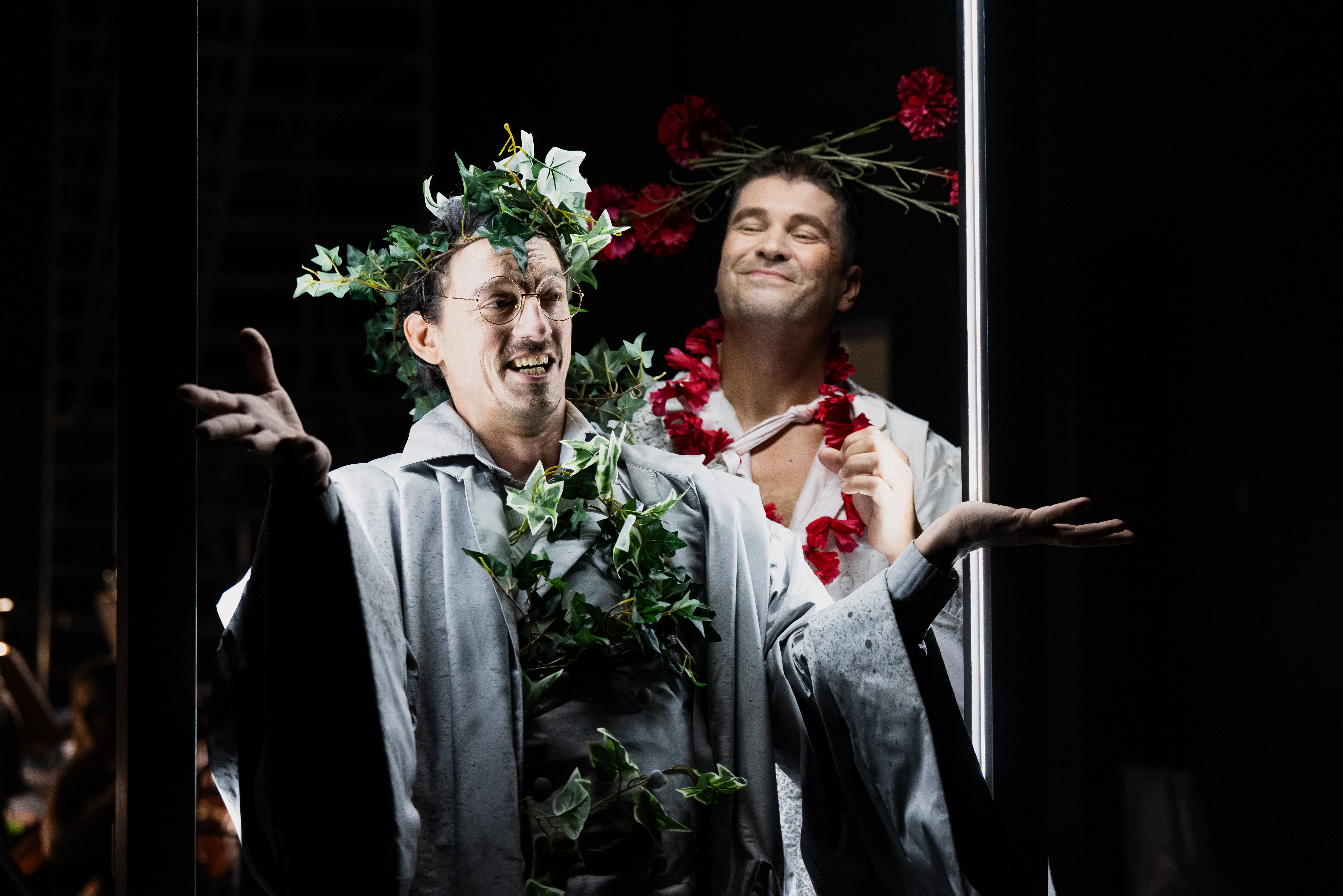
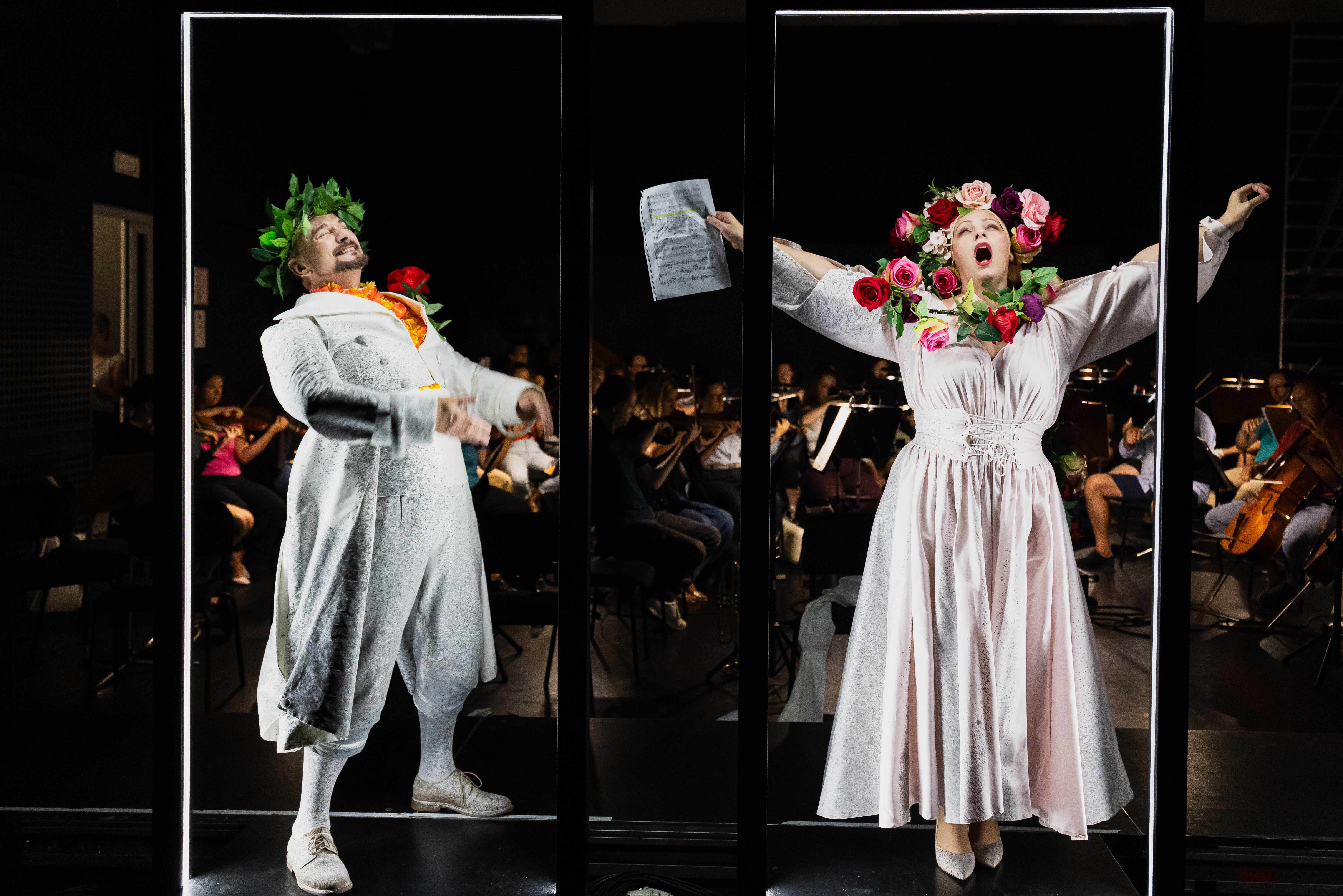
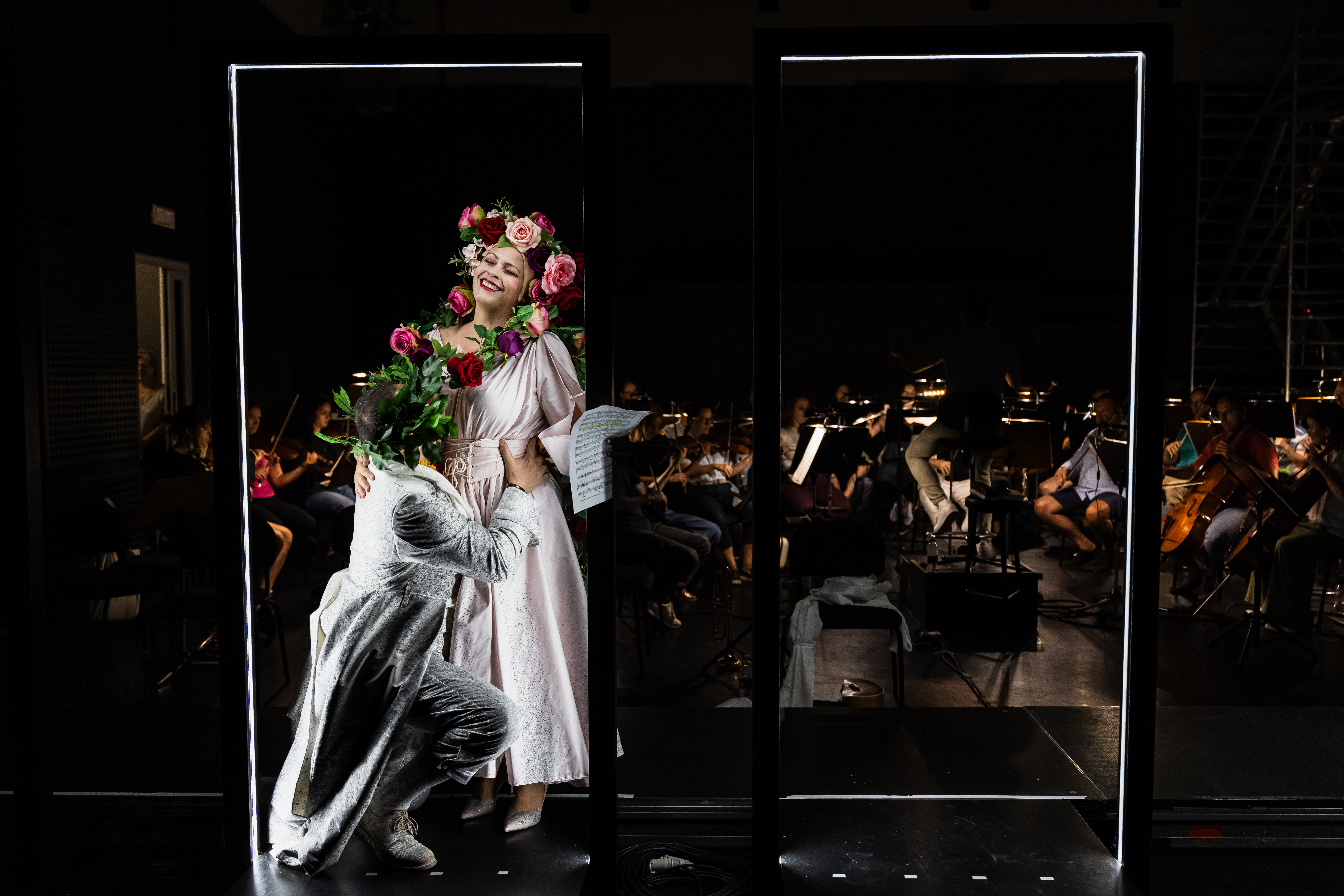
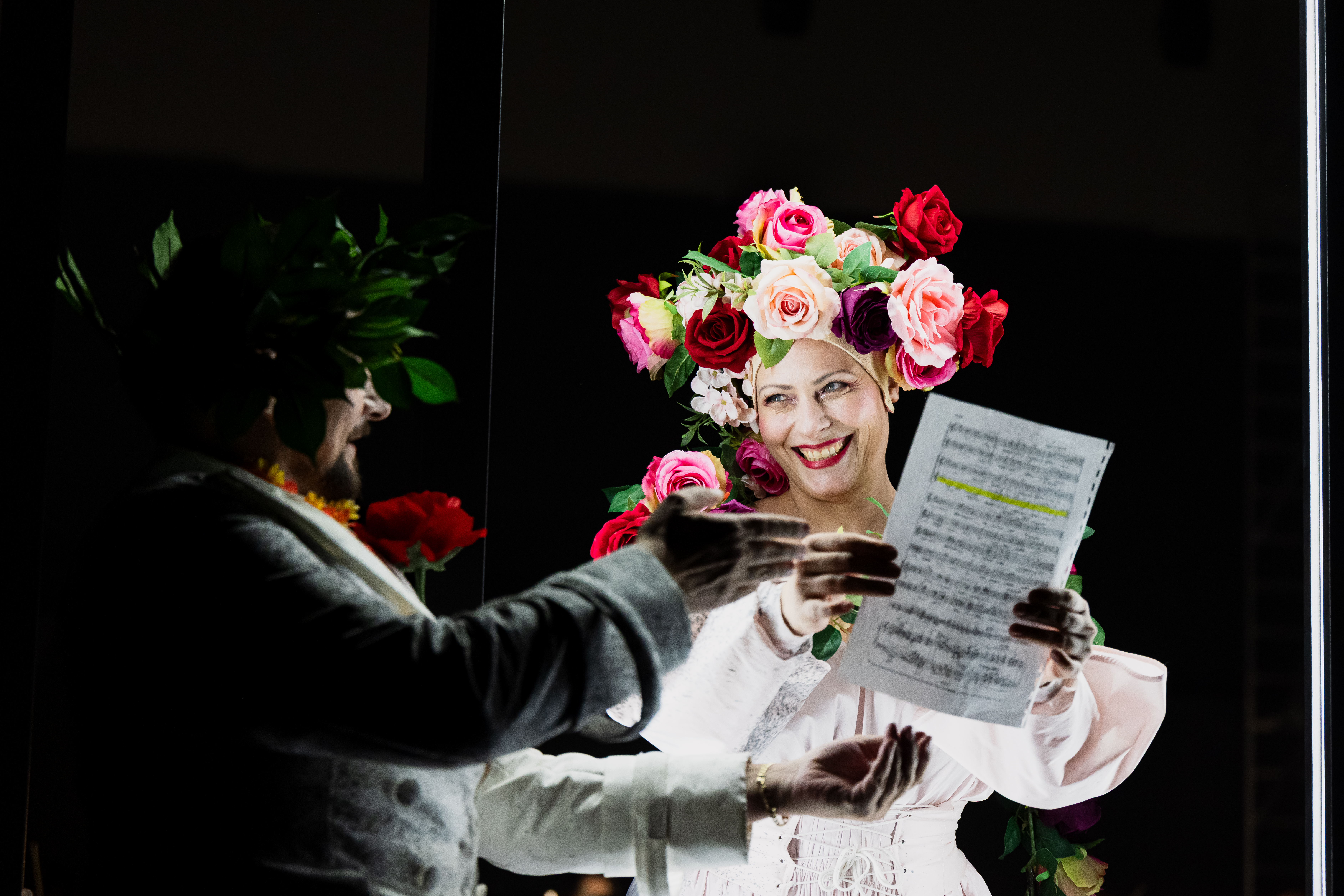
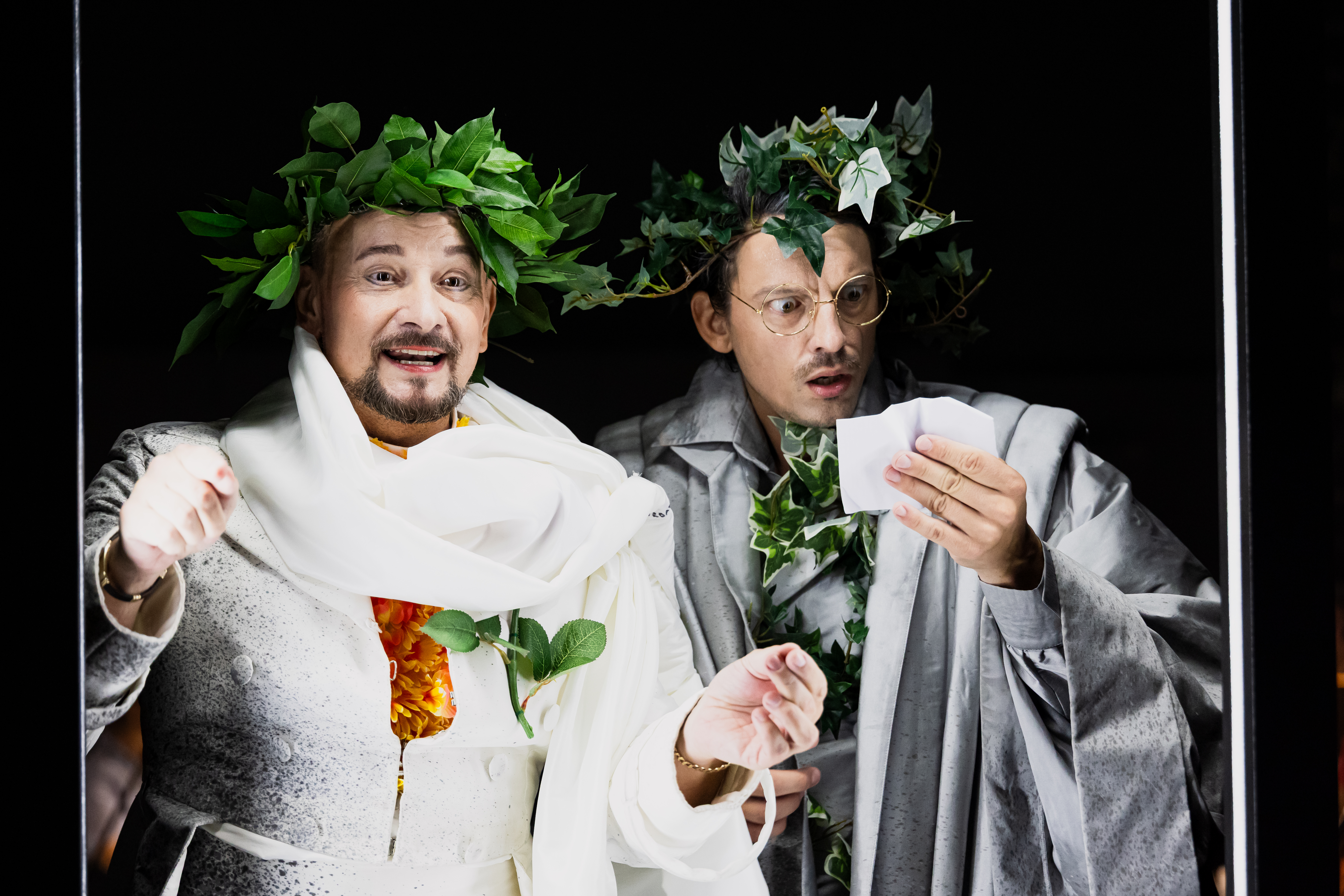
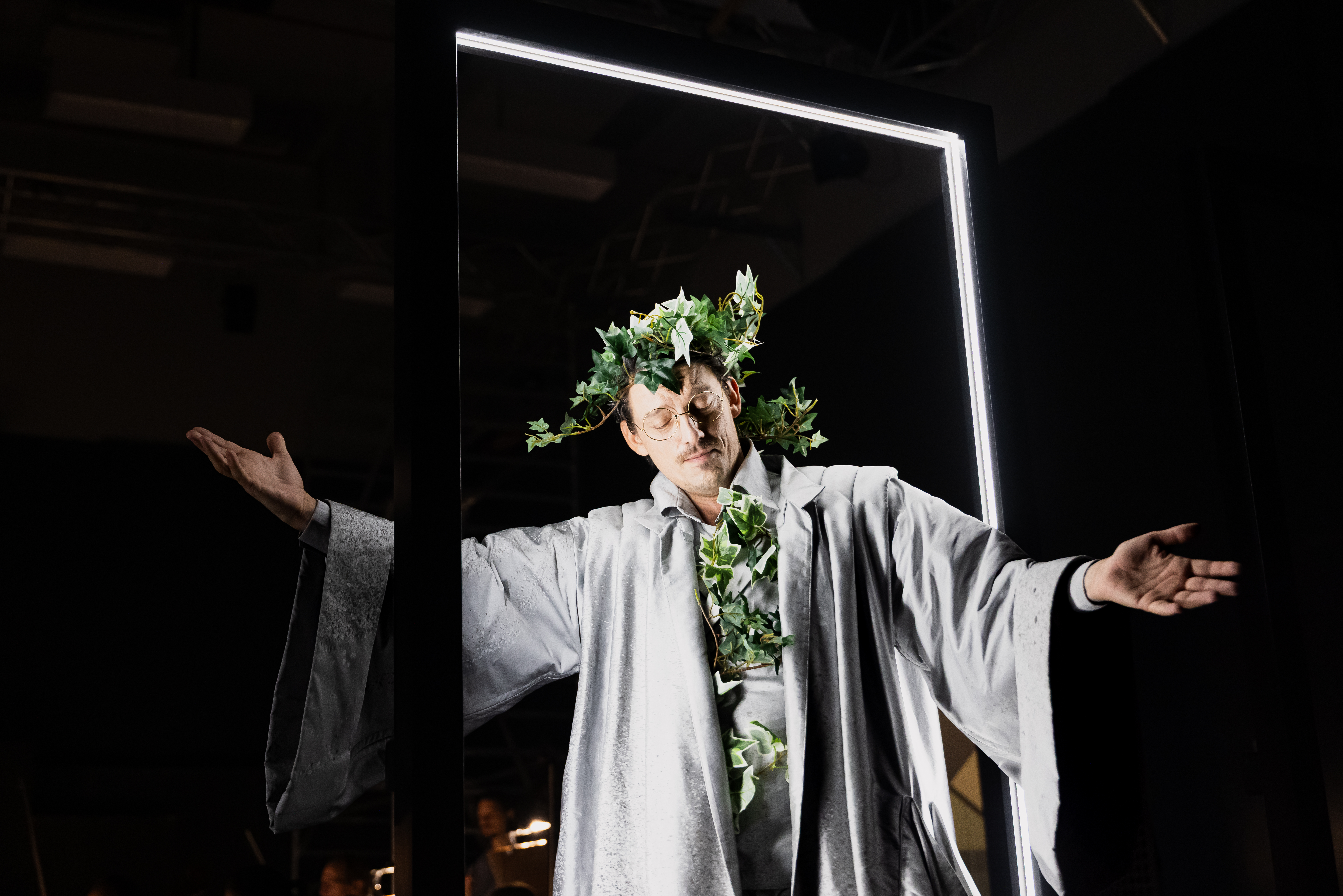
The leading soloists of the Ljubljana Opera ensemble, under the baton of Ayrton Desimpelaere and directed by Marin Blažević, present The Barber of Seville in a dynamic and contemporary so-called semi-staged production, with the orchestra on stage, allowing for a more direct and intense relationship between the musicians, singers, and audience.
The visual component remains distinctly theatrical—with costumes, set design, stage lighting, and clearly defined direction—while the production focuses on the proscenium, creating a concentrated and communicative performance space. This approach allows for greater clarity of the action, emphasizes the performers' theatrical expression, and further highlights the virtuosity of Rossini's music.
The result is a contemporary, agile format that preserves the essential characteristics of both an operatic performance and a concert, while allowing for playfulness and flexibility in adapting the production to different performance spaces and stages.
Artists
- Music Gioachino Rossini
- Libretto Cesare Sterbini
- Conductor Ayrton Desimpelaere
- Director, dramaturg and lighting designer Marin Blažević
- Set design Matjaž Arčan, Marin Blažević
- Costume designer Sandra Dekanić
- Language consultant Marja Filipčič Redžić
- Libretto translation Niko Štritof
- Supertitles translation Jelena Planinšec
- Chorus master Željka Ulčnik Remic
- Concertmaster Gregor Traven
- Assistant conductor Jakob Barbo
- Assistant director Simona Pinter
- Repetiteurs Kayoko Ikeda, Višnja Kajgana, Irena Zajec, Irina Milivojević, Stefan Pajanović
- Chorus repetiteur Marina Đonlić
- Prompters Dejan Gebert, Urška Švara Kafol
- Stage manager Tomaž Čibej
Entire cast
- Count Almaviva Dejan M. Vrbančič
- Bartolo Klemen Gorenšek k. g.
- Rosina Nuška Drašček
- Figaro Rok Bavčar
- Basilio Peter Martinčič
- Fiorello Robert Brezovar
- Berta Rebeka Radovan
- Captain of the Guard David Čadež
Chorus and Orchestra of SNG Opera and Ballet Ljubljana
Gallery
This website uses cookies
We use cookies to personalise content, to provide social media features and to analyse our traffic. We also share information about your use of our site with our social media and analytics partners who may combine it with other information that you’ve provided to them or that they’ve collected from your use of their services. You consent to our cookies if you continue to use our website.